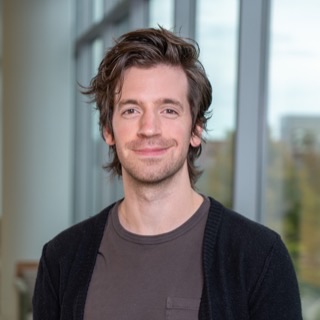
Ryan Thorpe
Postdoctoral fellow · coadvised with David DiGregorio
Temporal learning in recurrent neural networks with short-term plasticity
Current students and postdoctoral researchers at the University of Colorado Boulder.
Postdoctoral fellow · coadvised with David DiGregorio
Temporal learning in recurrent neural networks with short-term plasticity
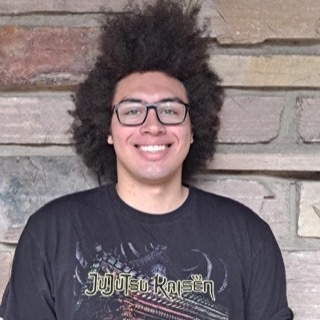
PhD student
Spatiotemporal dynamics of delay-coupled neural circuits
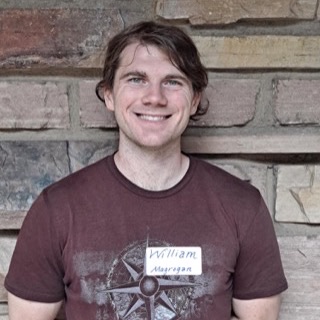
PhD student · coadvised with Nancy Rodriguez
First-passage dynamics in collective search, exchange, and consensus
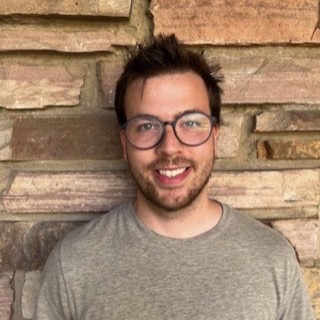
PhD student
Synaptic resource dynamics of neural–astrocyte circuits
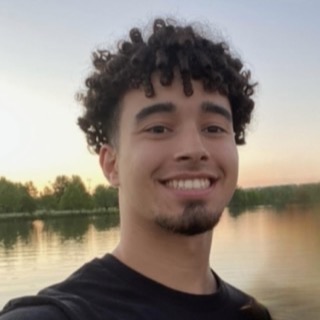
PhD student · coadvised with Orit Peleg
Active vibration sensing through adaptive tuning of spider webs
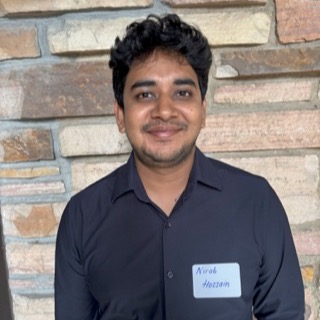
PhD student
Balancing information- and reward-seeking in changing environments
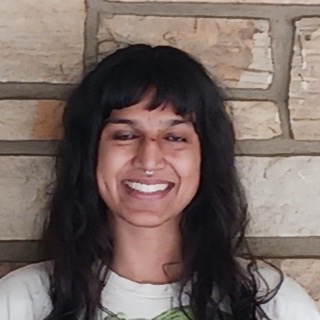
Master’s student · coadvised with Brice McConnell
Spatiotemporal template matching for health prediction from human EEG
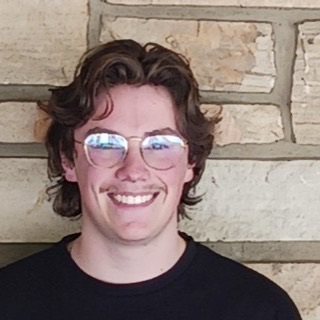
Master’s student
Polling and election prediction in stochastic voting models
IQ Biology rotation student
Evidence accumulation and decision making in puzzles
PhD students: The department admits students and advisors are settled during the first year, so what matters is the departmental application, due December 1. Those drawn to quantitative biology can also apply to IQ Biology by November 15, a certificate taken alongside a departmental PhD. In either, say why you want to work with me and name others in the department. Emailing me first is not necessary and does not affect admission. If you do, read my research and publications pages, then send a CV and about 100 words on the problems you want to work on.
Postdoctoral researchers: I take on postdocs when I have funding for a particular project, and the department runs the Keith Julien Visiting Assistant Professorships on its own annual cycle. Both are advertised on the department site and on MathJobs; if nothing is posted, nothing is open. To name me as a potential advisor for a Julien VAP, check my research and publications pages, then write with your CV and a summary of the problems you would like to work on.
CU undergraduates and master’s students: I supervise one or two at a time, usually students who have done well in one of my courses. Check my research and publications pages, then write with the courses you have taken and the kind of problem you would like to work on.
Much of the group’s work is joint with experimentalists and theorists.